Tunisian Crochet Sweater – Ember Sweater Adult and Children’s sizes
TUNISIAN CROCHET SWEATER PATTERN
The Ember Tunisian Sweater Pattern – Cosy Colour-Block Crochet
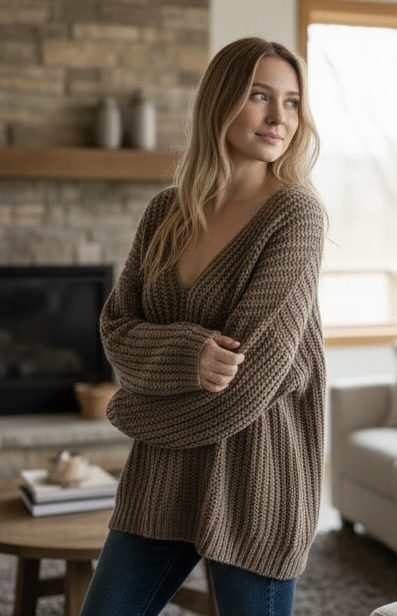
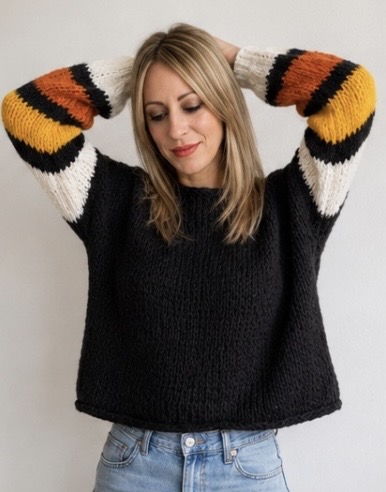
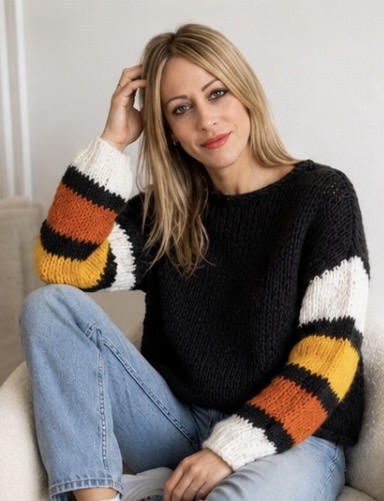
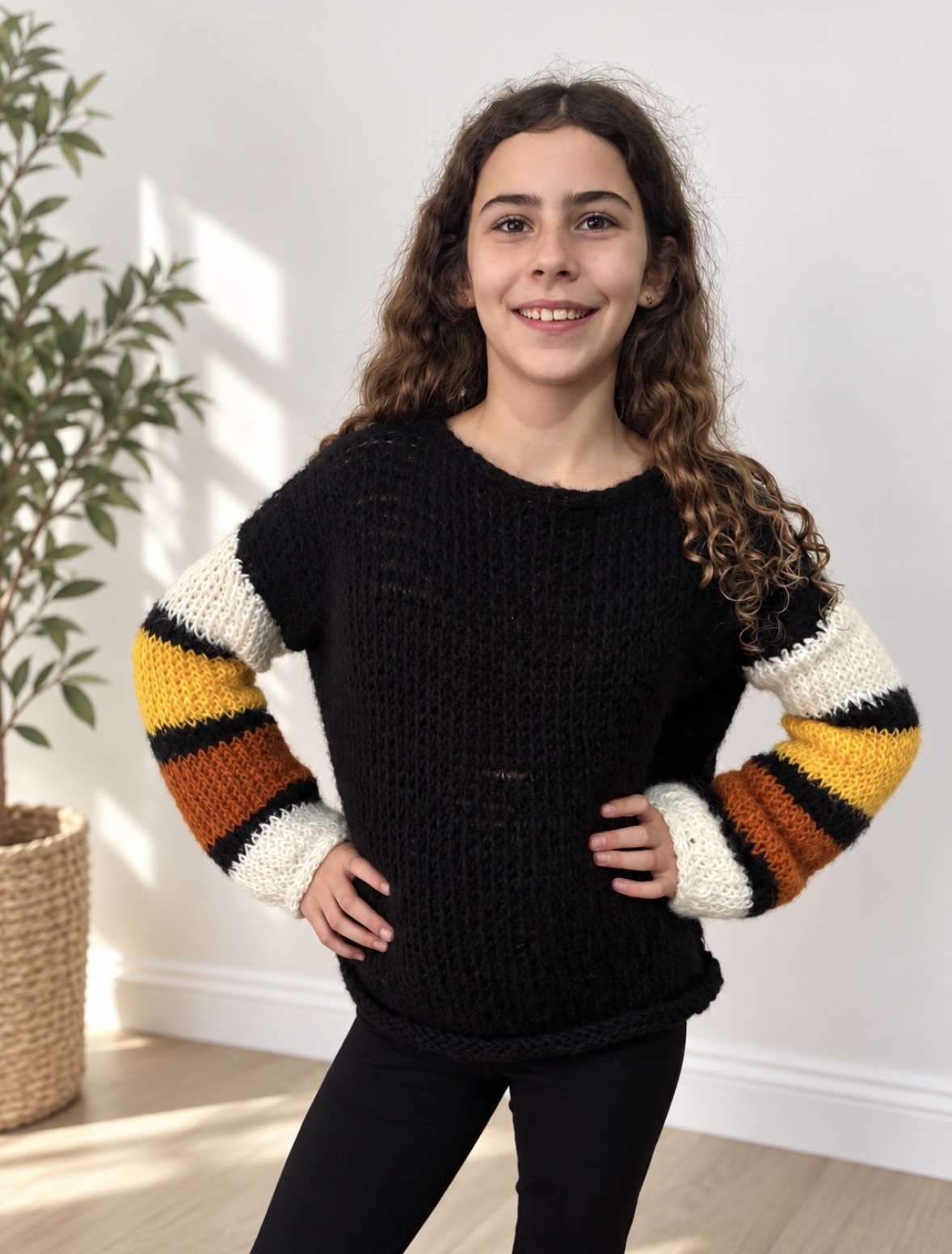
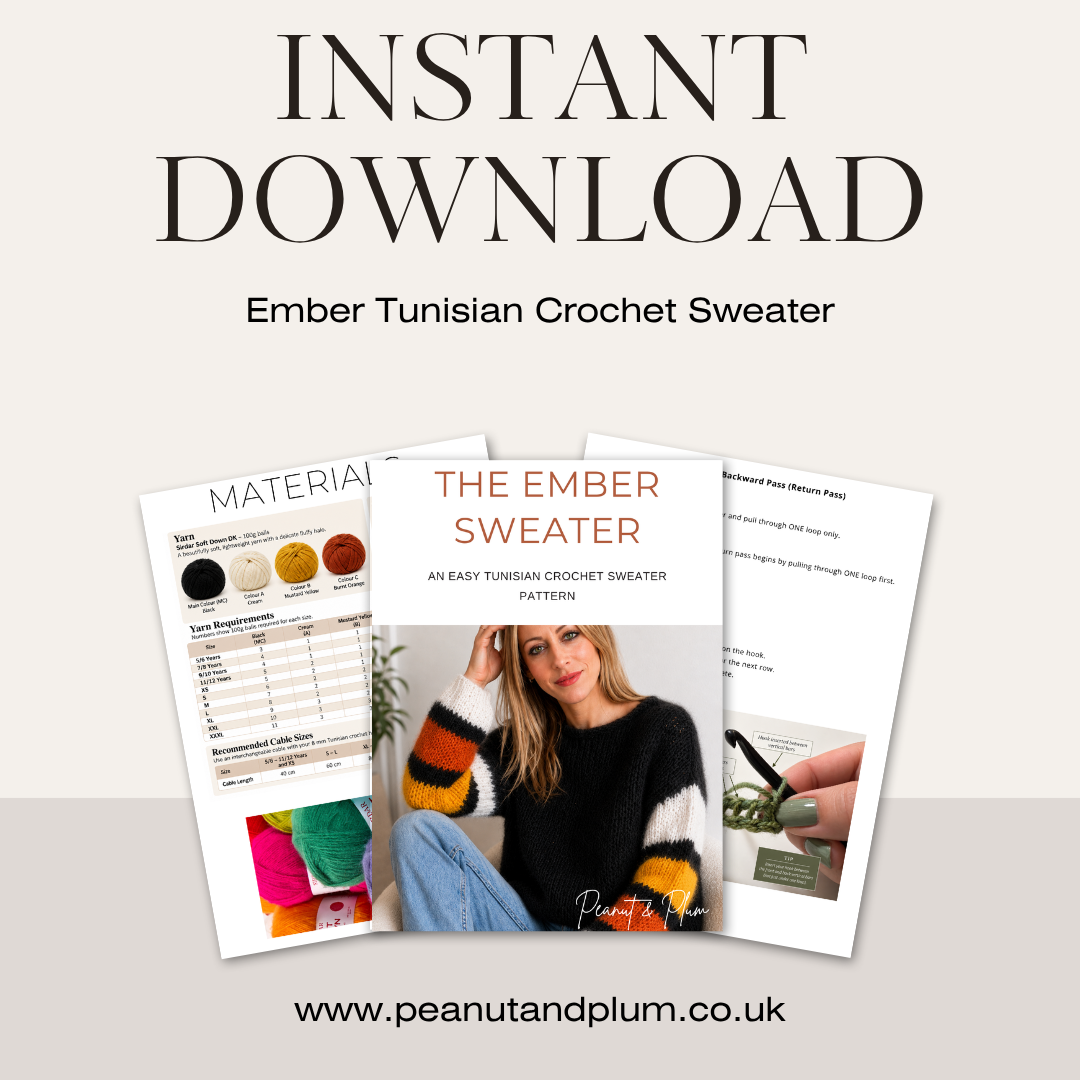
Meet the Ember Tunisian Sweater: a cosy, relaxed knit-look design with a classic black body and gorgeous cream, mustard-yellow and burnt-orange striped sleeves. Made with wonderfully soft Sirdar Soft Down, it has a beautiful fluffy halo that makes every stitch feel extra special.
If you have admired knitted jumpers but love working with a crochet hook, Tunisian Knit Stitch is a lovely technique to explore. In this post, I’ll introduce the stitches and skills you’ll learn, share a closer look at the yarn and explain how the sweater comes together. The complete size-by-size instructions are available in my paid printable PDF pattern.
This post may contain affiliate links. If you purchase through one of these links, I may earn a small commission at no extra cost to you.
Quick Pattern Information
- Skill level: Confident beginner / new to Tunisian crochet
- Sizes: 5/6, 7/8, 9/10, 11/12 years and XS–XXXL
- Yarn: Sirdar Soft Down 100g
- Main technique: Tunisian Knit Stitch (TKS)
- Gauge: 14 stitches × 8.5 rows = 10 cm (4 in)
- Construction: Flat front and back panels with separate striped sleeves
- Finish: Relaxed fit and gently tapered sleeves without separate cuffs
Why You’ll Love the Ember Sweater
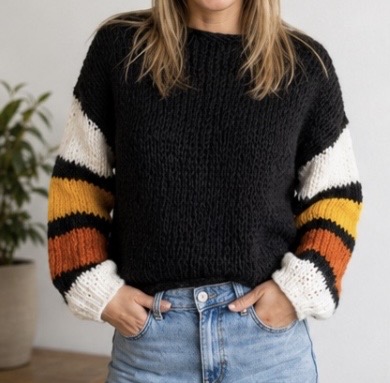
Ember is all about colour, texture and everyday comfort. The simple black body lets those warm autumnal sleeve stripes shine, while the soft brushed yarn adds a beautiful cosy finish. It is the sort of jumper that looks lovely with jeans and boots, and the relaxed shape makes it easy to wear and style.
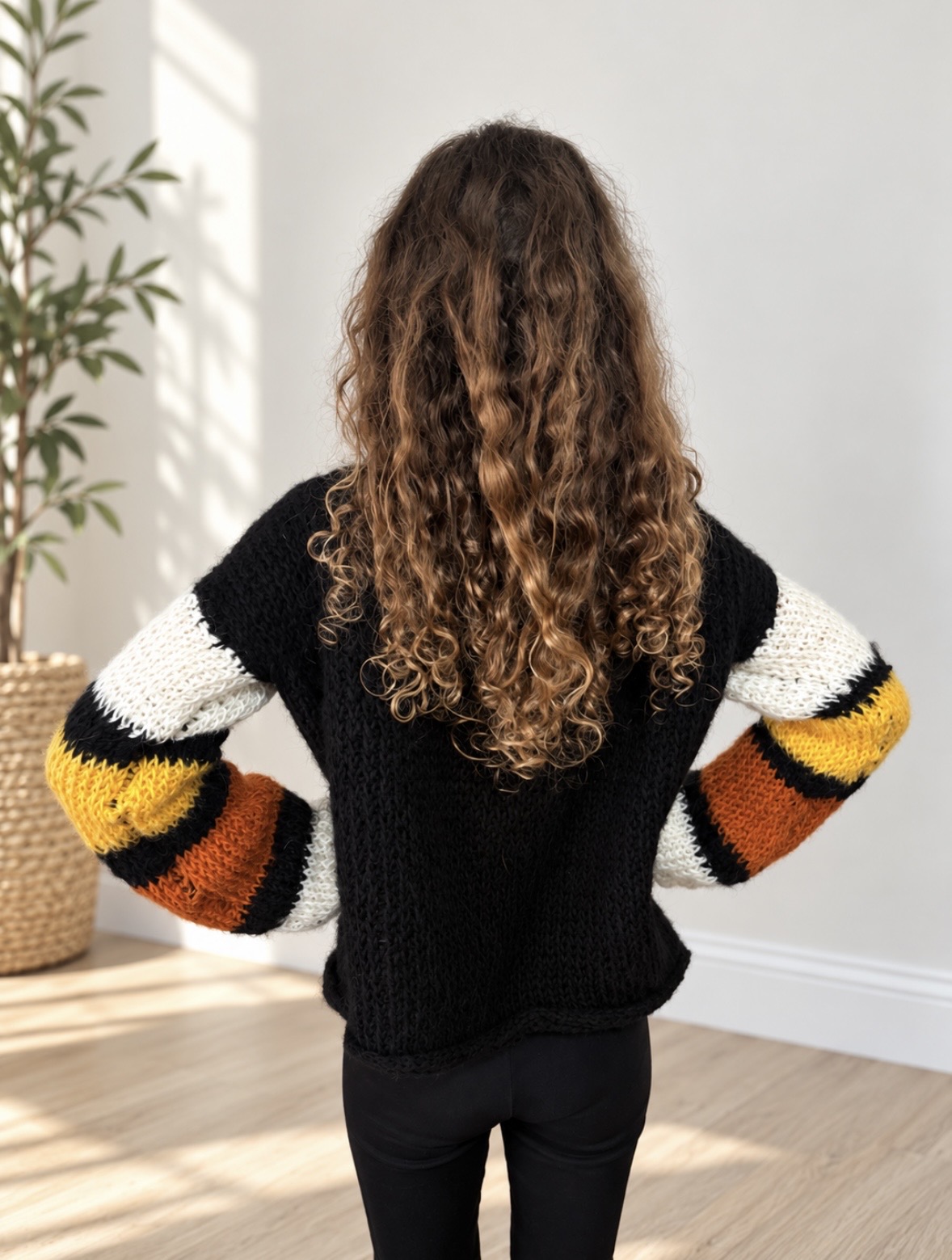
Another lovely feature is that the sweater is worked flat. You make the front, back and sleeves separately before joining everything together, so you don’t need to master Tunisian crochet in the round.
The Yarn: Sirdar Soft Down
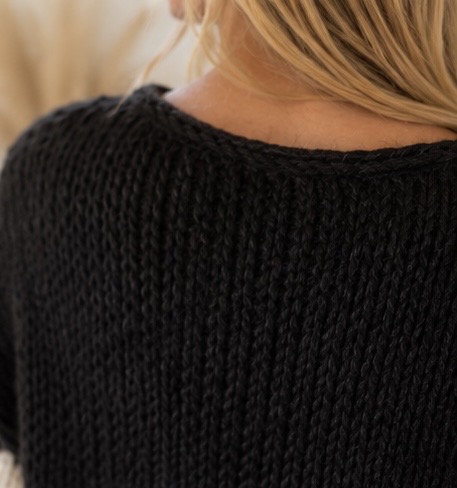
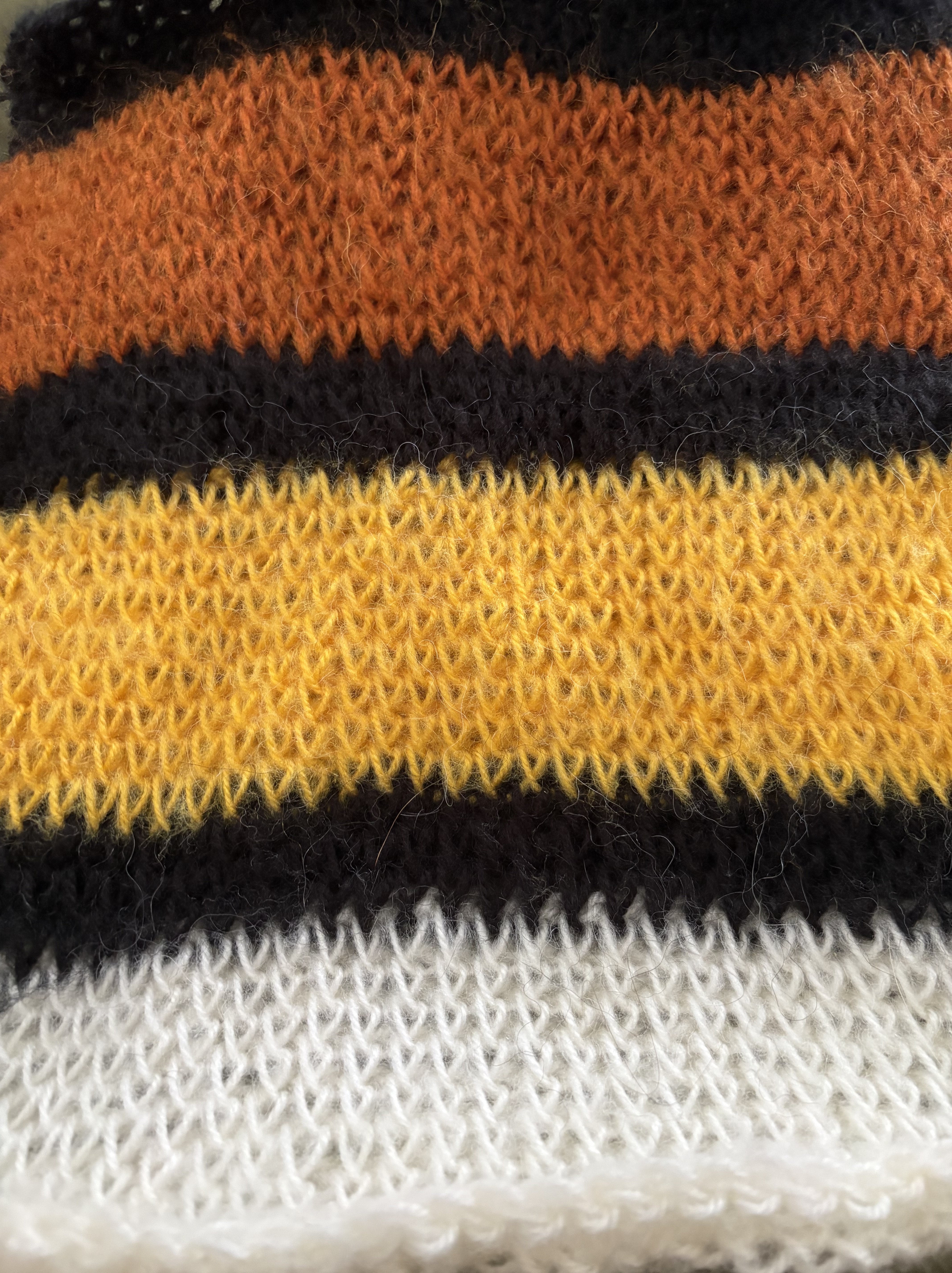
For this design I chose Sirdar Soft Down 100g. Its wonderfully fluffy surface creates the soft halo that gives Ember its signature cosy look. The black body is complemented by cream, mustard-yellow and burnt-orange stripes.
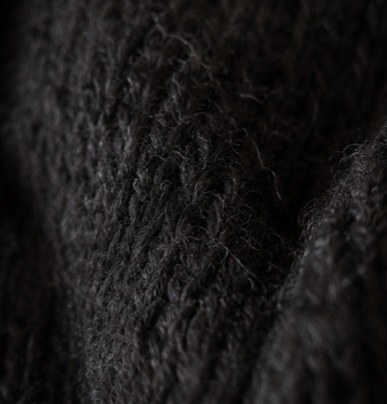
One of my favourite things about this yarn is how it softens the appearance of the Tunisian stitches without losing the beautiful knit-look texture. The paid PDF includes the materials and yarn amounts for each size, so you can plan your project before starting.
What You’ll Learn: Tunisian Knit Stitch (TKS)
Tunisian crochet combines the feel of crochet with a fabric that looks wonderfully similar to knitting. Unlike ordinary crochet, you work each row in two stages: a forward pass, where loops are collected onto your hook, and a return pass, where those loops are worked back off. You keep the same side of your fabric facing you.
The Tunisian Knit Stitch is the star of this sweater. By working into the fabric in a particular way, you create neat little V-shaped stitches with a knitted appearance. I’ll help you recognise where your hook goes, keep an even tension and work neat edges in the full pattern.
Learning Simple Tunisian Decreases
Don’t let the word decrease put you off! Decreasing simply means reducing the number of stitches to gently shape your fabric. For Ember, this helps the sleeves taper towards the wrists without needing a separate ribbed cuff.
I’ll explain the decrease technique clearly in the paid pattern, including where the shaping happens and how to keep both sleeves matching. It’s a useful little skill you’ll be able to use in future Tunisian projects too.
Changing Colours for the Striped Sleeves
The bold sleeve stripes are what make Ember so much fun. You’ll work with black, cream, mustard yellow and burnt orange, switching colours as you go for clean, eye-catching bands. The PDF gives you a colour sequence for every size, so you won’t have to guess when to change shades.
Finishing with a Neat Tunisian Bind Off
Binding off gives your Tunisian fabric a tidy, finished edge. It’s a straightforward technique, and once you’ve learned it, you’ll use it again and again. I’ll show you how to finish the final row neatly while keeping the edge relaxed enough for a comfortable garment.
How the Sweater Comes Together
Ember is made from four separate pieces: a front panel, a back panel and two sleeves. Once the body panels are joined at the shoulders, leaving an opening for the neckline, each sleeve is centred across its shoulder seam. The sleeve and side seams are then sewn to finish the sweater.
It sounds more complicated than it is! The full pattern includes a construction diagram and clear joining instructions, making it easy to see where each piece belongs.
Sizes and Fit
The Ember Sweater pattern includes 11 sizes, from age 5/6 years through to adult XXXL. It’s designed with a relaxed shape, an easy neckline and softly tapered sleeves. You’ll find the individual stitch counts, row counts, sleeve colour sequences and finished measurements in the paid PDF, so you can select your size and follow along.
Ready to Make Your Ember Sweater?
The complete Ember Tunisian Sweater PDF pattern is available to purchase. It includes the full size-by-size instructions, yarn requirements, stitch explanations, sleeve colour sequences, shaping and construction guidance. This blog post is an introduction to the design and techniques, not the free pattern.
ADD YOUR EMBER SWEATER PRODUCT LINK HERE
Join Our Monthly Crochet Masterclass
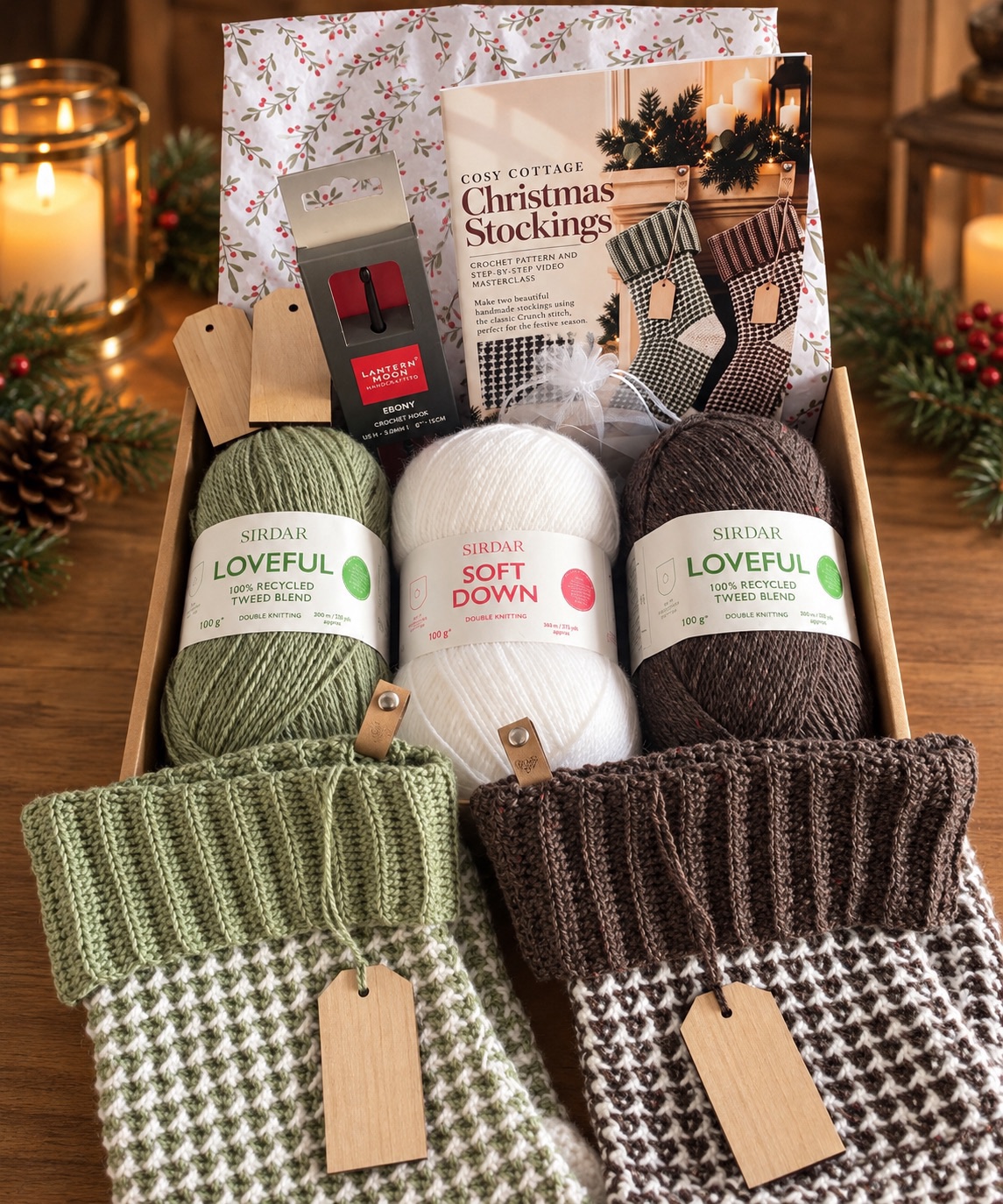
Love learning new stitches and making beautiful things? My Peanut & Plum monthly crochet masterclasses bring together thoughtfully chosen projects, beautiful yarns and step-by-step video lessons. Discover more at Peanut & Plum Monthly Masterclasses.
Happy Crocheting!
I’d love to see your Ember Sweater! Share your finished make and tag #PeanutandPlum so we can admire those beautiful stripes and all that cosy texture.